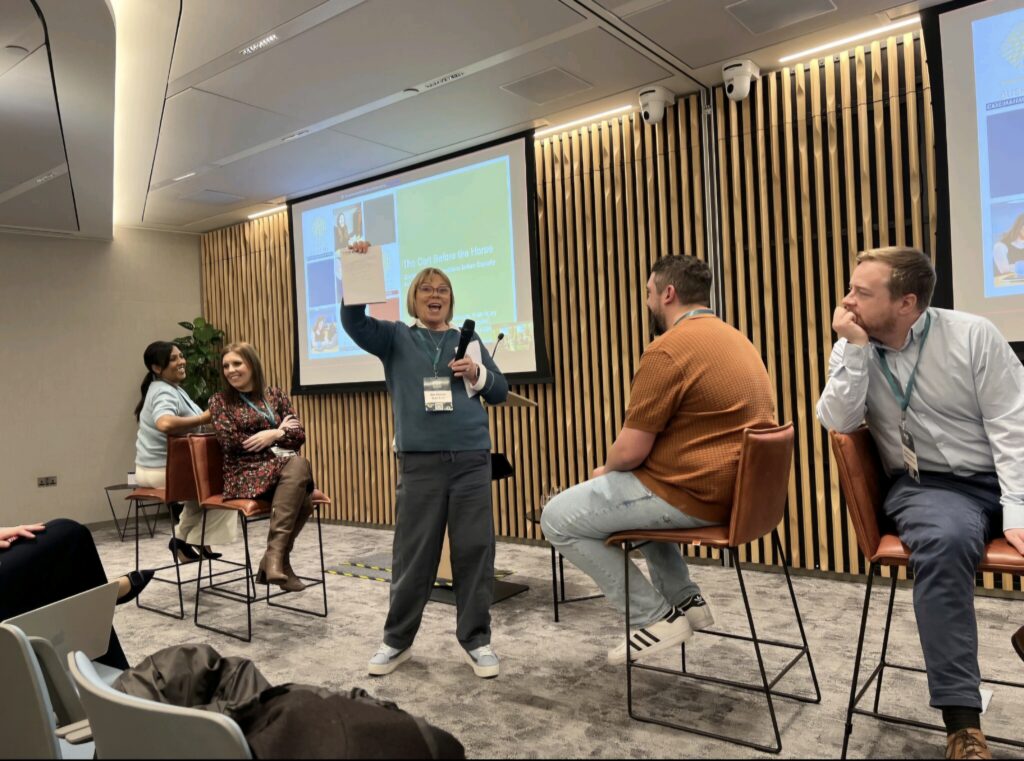
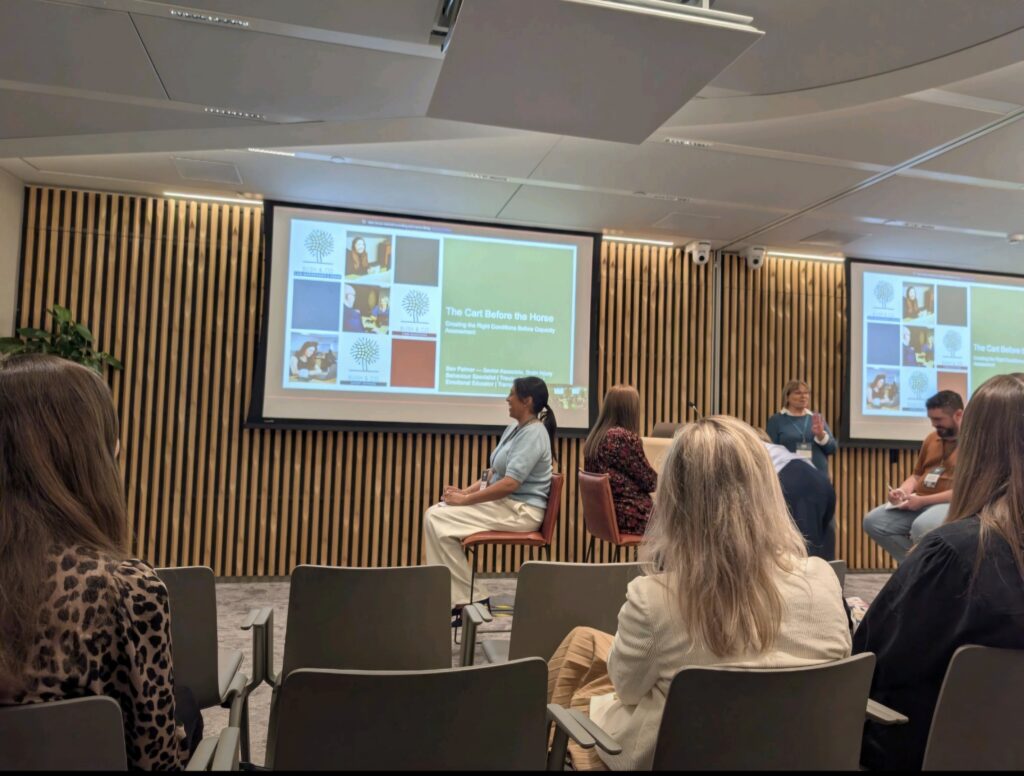
Our recent Spring Conference brought together leading experts in deputyship and capacity assessment to explore best practices in supporting individuals. Sessions highlighted tailored rigorous preparation for capacity evaluations, complex deputyship challenges, and emerging issues such as AI in client communications.
Bev Palmer, our first presenter, stressed the importance of comprehensive pre-assessment groundwork: ensuring medical stability, optimising the environment around the client, accommodating individual learning styles (visual, auditory, kinaesthetic), and employing communication aids where necessary. Her case study of a 33-year-old man with traumatic brain injury, aggression, substance issues, and trauma illustrated multi-stage trust-building, family involvement, creative therapies, and staff training to enable valid assessment.
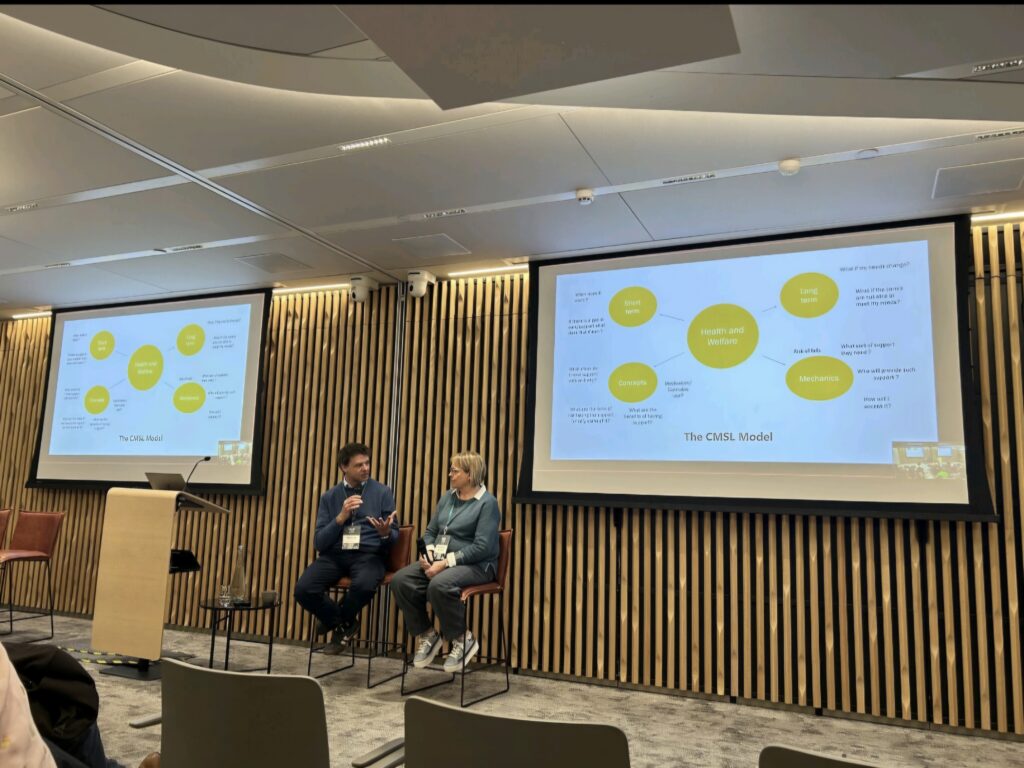
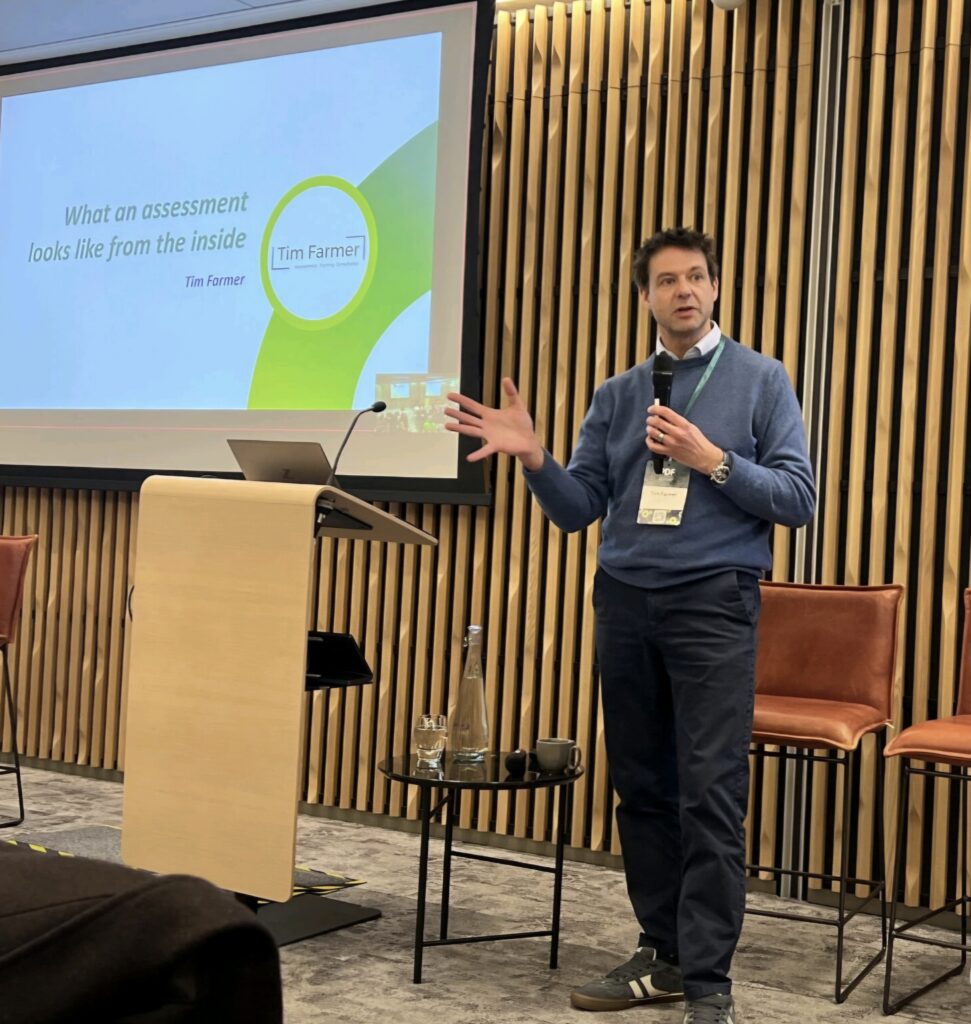
Tim Farmer followed the session and complemented this with a three-stage framework:
- Pre-assessment (defining the decision and legal threshold),
- Evidence gathering (using the CMSL model: Concepts, Mechanics, Short-term memory, Long-term implications), and
- The person-centred assessment itself. Techniques included rapport-building, concrete language, visual aids, practical demonstrations (e.g., making tea), and careful management of emotional triggers such as shame or frustration.
Both speakers underscored the importance of multidisciplinary collaboration, the use of conditional findings in reports, and the need for reassessment when circumstances change.
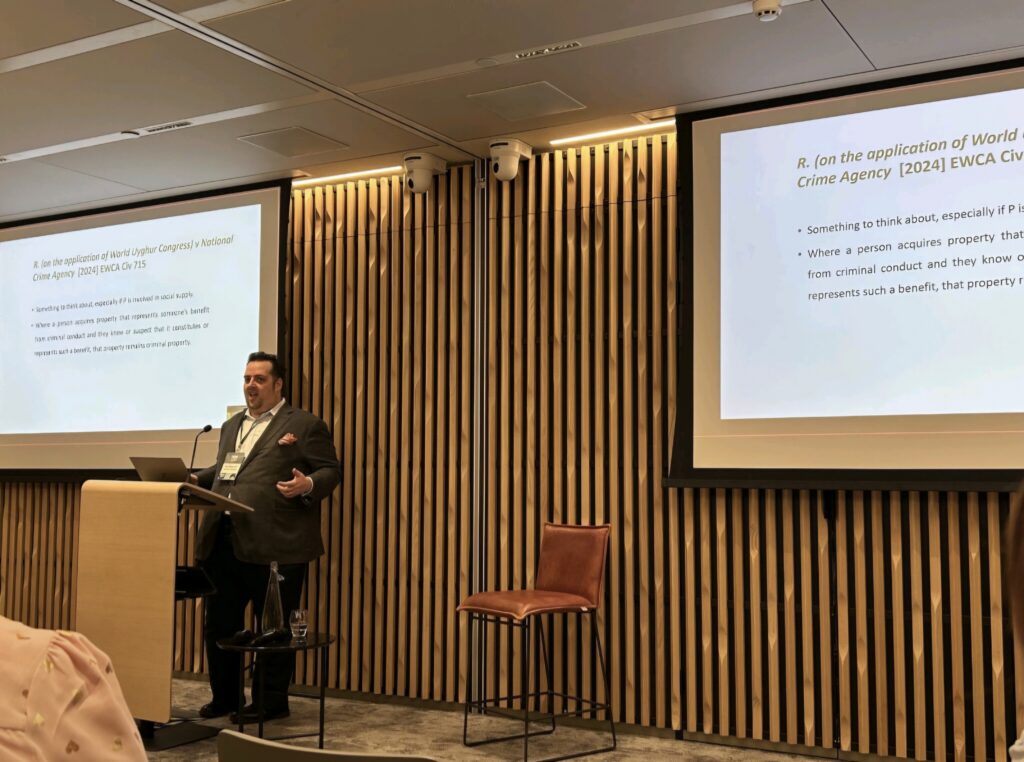
Ian Brownhill followed with a thought-provoking session exploring recent case law on sex, drugs, and foreign travel within the Court of Protection. He began by unpacking the developing law around assessing P’s capacity to engage in sexual relations and the scope of a Deputy’s authority when bringing welfare applications on this issue. He then revisited the key principles from EG v P [2024], focusing on the Deputy’s position when confronted with the issue of paying a drug debt, and highlighted how the judgement has recently been considered by the Jersey Courts. Ian also touched upon the scenario of a Deputy providing P with an allowance that P then uses to supply drugs, emphasising the important reminder that there is no such thing as “capacity to take drugs.” The session concluded with the moving case of Jamie Cole, emphasising the importance of carefully assessing P’s capacity to make decisions about travelling to a foreign jurisdiction. Ian provided practical guidance on what decisions should be assessed, as well as the safeguards that might be considered. Crucially, he distinguished between foreign travel and foreign relocation, noting that the latter engages a different legal test and requires consideration of P’s habitual residence.
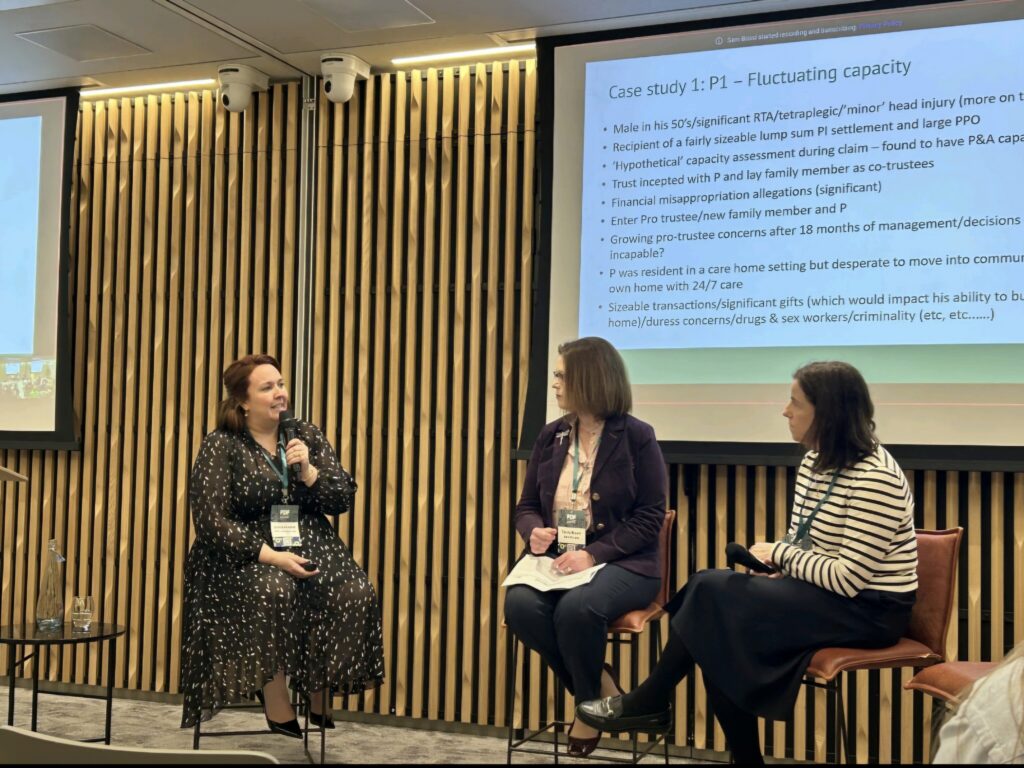
In the afternoon, our deputy panel explored complexities through real-world cases. Gemma Moreland described managing a client with brain injury whose family trust failed due to misappropriation, necessitating deputy appointment, property structuring to optimise tax, and contentious Court of Protection proceedings. Strategies to increase autonomy for the client included budget flexibility, financial education, and transparent chronologies.
Lucy Nicol addressed transitions to adulthood, highlighting family emotional dynamics, risk–autonomy balance, and proactive preparation through investment exposure and education.
A recurring theme throughout the day was the growing use of AI tools (e.g.,ChatGPT) by clients and families to draft communications, potentially masking capacity limitations and complicating professional evaluations. Presenters urged vigilance and adaptive approaches.
Overall, the conference reinforced the necessity of individualised, collaborative, evidence-based practice to safeguard vulnerable clients while promoting autonomy where possible, ensuring decisions remain defensible, ethical, and focused on long-term wellbeing.
“The best line up of speakers. Incredibly engaging, informative and interesting. Thank you to the Professional Deputies Forum planning committee for another successful spring conference.”
Our thanks to our Spring Conference hosts Evelyn Partners and our sponsors and exhibitors Nova Care Consultants, ils Case Management, 39 Essex, and Chroma.
“A really interesting and thought provoking spring conference on mental capacity.”